SNAP soda and candy bans: every state food restriction waiver, 2026-2028
Which states block soda, candy and similar items with SNAP, start dates from 2026 to 2028, state definitions, the court ruling, and which rules apply where you shop.
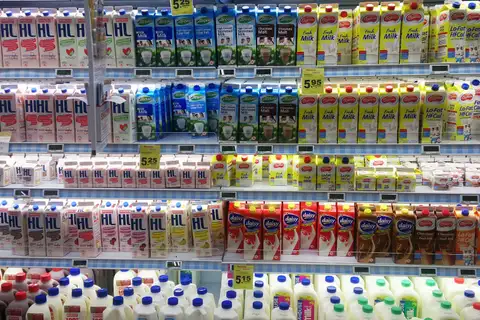
Eighteen states have USDA approval to stop SNAP from paying for soda, candy or similar items. As of October 16, 2026, the bans were in force in eight of them: Indiana and Utah (since January 1, 2026), Idaho and Oklahoma (February 15), Louisiana (February 18), Texas (April 1), Florida (April 20) and Arkansas (July 1). Montana, North Dakota, South Carolina and Virginia start on November 1, 2026. Wyoming, Kansas, Missouri, Hawaii and Ohio are scheduled for February to April 2027, and Nevada for February 1, 2028. Nebraska has a new request waiting for a USDA decision. A federal court vacated the waivers of Colorado, Iowa, Tennessee, West Virginia and Nebraska on June 22, 2026, so federal rules apply in those states (USDA, SNAP Food Restriction Waivers, page updated October 13, 2026).
Every ban applies to SNAP purchases at stores inside that state, whatever state issued the card. Your eligibility and your benefit amount do not change. Only the list of items SNAP can pay for changes.
What a food restriction waiver is
Federal law defines what SNAP can buy. Soda, candy, chips and cake have always counted as food under that law, in every state (see what you can buy with EBT). A state can narrow the list only through a “demonstration project” approved by USDA under Section 17(b) of the Food and Nutrition Act, 7 U.S.C. 2026(b) (Federal Register notice on Indiana’s project, September 15, 2026). USDA calls these “food restriction waivers.” Each one is approved for an initial two-year period (USDA memo, Clarifications on Food Restriction Waivers and Retailer Compliance, December 30, 2025).
Nebraska’s was the first, approved May 19, 2025. Indiana and Iowa followed on May 22, 2025, then Arkansas and Utah on June 10, 2025 (USDA’s state pages under SNAP Food Restriction Waivers). Each state writes its own definitions. “Soft drink” in Utah and “soft drink” in South Carolina are not the same thing, which is why the details below matter.
Every state, with status and start date
Dates are USDA’s “target implementation date” as of October 13, 2026, checked against the state’s own page where it gives a date. The “what is blocked” column uses USDA’s short summary; the state’s definition, linked in the last column, decides what a store actually blocks.
| State | Status on October 16, 2026 | Start date | What is blocked (USDA summary) | State page |
|---|---|---|---|---|
| Indiana | In effect | January 1, 2026 | Soft drinks and candy | Smart SNAP |
| Utah | In effect | January 1, 2026 | Soft drinks | DWS: what you can buy |
| Idaho | In effect | February 15, 2026 | Soda and candy | IDHW retailer page |
| Oklahoma | In effect | February 15, 2026 | Soft drinks and candy | Healthy Foods Waiver |
| Louisiana | In effect | February 18, 2026 | Soft drinks, energy drinks, candy | LDH waiver page |
| Texas | In effect | April 1, 2026 | Sweetened drinks and candy | HHSC purchase restrictions |
| Florida | In effect | April 20, 2026 | Soda, energy drinks, candy, prepared desserts | Florida Healthy SNAP |
| Arkansas | In effect | July 1, 2026 | Soda, drinks under 50% juice, energy drinks, other unhealthy drinks, candy | SNAP Nutrition Waiver FAQ |
| Montana | Approved, not yet started | November 1, 2026 | High-sugar beverages, energy drinks, candy, prepared desserts | DPHHS food restriction |
| North Dakota | Approved, not yet started | November 1, 2026 | Sweetened beverages, energy drinks, candy | Healthy Choice waiver |
| South Carolina | Approved, not yet started | November 1, 2026 | Candy, energy drinks, soft drinks, sweetened beverages | Healthy Food SC |
| Virginia | Approved, not yet started | November 1, 2026 | Sweetened beverages | SNAP Beverage Update |
| Wyoming | Approved, not yet started | February 1, 2027 | Sweetened, carbonated beverages | USDA page only |
| Kansas | Approved, not yet started | February 15, 2027 | Candy and soft drinks | DCF waiver page |
| Missouri | Approved, not yet started | February 15, 2027 | Candy, prepared desserts, certain unhealthy beverages | Healthy SNAP FAQs |
| Hawaii | Approved, not yet started | April 1, 2027 | Soft drinks | USDA page only |
| Ohio | Approved, delayed by the state | April 1, 2027 | Sugar-sweetened beverages and all fountain drinks | ODJFS retailer resources |
| Nevada | Approved, not yet started | February 1, 2028 | Candy and sugar-sweetened beverages | USDA page only |
| Nebraska | New request pending | Proposed December 1, 2026 (drinks) and March 1, 2027 (candy) | Soda, soft drinks, energy drinks; then candy | Federal Register, October 2, 2026 |
| Colorado | Vacated by court | Never started | (was: soft drinks) | none |
| Iowa | Vacated by court | Stopped | (was: all taxable food items, as defined by the Iowa Department of Revenue) | none |
| Tennessee | Vacated by court | Never started | (was: soda, energy drinks, candy) | none |
| West Virginia | Vacated by court | Stopped | (was: soda) | none |
The other 27 states, the District of Columbia, Guam and the U.S. Virgin Islands have no approved waiver on USDA’s list, so SNAP there still pays for soda and candy.
Start dates moved, often
Most states did not start on the date first announced. USDA’s state pages record the changes (SNAP Food Restriction Waivers):
- Florida moved from January 1 to April 20, 2026; Louisiana from January 15 to February 18, 2026; Oklahoma and Idaho from January 1 to February 15, 2026 (USDA approved each of these four changes on December 12, 2025).
- Virginia was approved for April 1, 2026, then moved to October 1, and its own page gives November 1, 2026 (VDSS).
- Missouri moved from October 1, 2026 to February 15, 2027 (Missouri DSS). Hawaii moved from August 1, 2026 to April 1, 2027.
- North Dakota asked, at USDA’s direction, to move from September 1 to November 1, 2026 (ND HHS). South Carolina moved from August 31 to November 1, 2026. Montana was approved for September 30 and lists November 1, 2026 (Montana DPHHS).
- Ohio was set for October 1, 2026. The Ohio Department of Job and Family Services put it on hold at USDA’s request so USDA could publish a Federal Register notice and read public comments first (ODJFS news release). USDA’s table lists April 1, 2027.
Those notices appeared on September 15, 2026, one for each of the 18 approved projects. Indiana’s, for example, took comments until October 15, 2026 and describes the project as already “implemented by the State” (Federal Register). Before a trip to the store near a start date, check your state’s page: dates have changed with only weeks of warning.
The court ruling: Colorado, Iowa, Nebraska, Tennessee, West Virginia
On June 22, 2026, the U.S. District Court for the District of Columbia, in Aragon et al. v. Rollins et al., No. 1:26-cv-00861, ordered that USDA’s approval of five states’ waivers “be vacated” and that their implementation “may not proceed” (USDA, SNAP Food Restriction Waivers).
- Colorado (soft drinks) and Tennessee (soda, energy drinks, candy) had not started. They never took effect.
- Iowa had blocked all taxable food items as defined by the Iowa Department of Revenue, and West Virginia had blocked soda, both from January 1, 2026. USDA posted notices telling retailers in both states to stop applying the restrictions.
- Nebraska had blocked soda and energy drinks since January 1, 2026. After the ruling, the Nebraska Department of Health and Human Services said it was working with stores to remove the restrictions and that “many retailers will require time to update their systems” (Nebraska DHHS).
Nebraska then filed a new request on September 1, 2026: no soda, soft drinks or energy drinks from December 1, 2026, and no candy from March 1, 2027. Comments close November 2, 2026. USDA will publish a separate notice approving or refusing it, at least 10 days before any start date (Federal Register, October 2, 2026). Until such a notice appears, no restriction is approved in Nebraska.
The ruling named only these five states. The other 18 approvals stand. No official page seen for this guide says whether the decision was appealed.
What each state blocks: the definitions
The words “soda” and “candy” hide real differences. These are the lines that matter most at the shelf, from each state’s own page.
States where the ban is in effect
- Indiana. Candy: sweetened bars, drops or pieces with chocolate, fruit or nuts, but nothing that needs refrigeration. Sugary drinks: any non-alcoholic drink with natural or artificial sweeteners, so diet soda, sports drinks and energy drinks are out. Allowed: milk drinks, soy and rice milk, and drinks sweetened only with fruit or vegetable juice. Indiana’s retailer list names specific items: protein, granola and cereal bars, chocolate milk, baked goods, ice cream, trail mix and microwave popcorn stay eligible; fruit snacks, chocolate-covered pretzels or nuts, marshmallows, gum, mints, chocolate chips, sweetened bottled tea, sweetened powdered drink mixes and all fountain drinks and slushies do not (Indiana FSSA, Smart SNAP; Smart SNAP retailers).
- Utah. Soft drinks only: a flavored drink made with carbonated water and sweetened with sugar or an artificial sweetener. Diet soda is blocked. Milk drinks, milk substitutes and drinks more than half real juice are not. The ban comes from state law (House Bill 403) plus USDA approval. Candy is not restricted (Utah DWS).
- Idaho. Candy and soda. Soda means any non-alcoholic drink with natural or artificial sweeteners, but not drinks with milk or milk substitutes, drinks over 50% juice, or products that need preparation, such as powders and concentrates. Idaho allows no medical exemptions (Idaho Department of Health and Welfare).
- Oklahoma. Candy includes chocolate bars, hard candy, gummies, caramels, taffy, licorice, mints and gum; baked goods and baking ingredients such as chocolate chips and cocoa powder are not candy. Soft drinks include soda, energy drinks, sweetened bottled or canned tea, lemonade and sweetened flavored water. Milk, plain water, 100% juice and coffee are not soft drinks (Oklahoma Human Services).
- Louisiana. Soft drinks are carbonated drinks with high-fructose corn syrup or artificial sweeteners; flavored carbonated water and drinks with at least 50% juice are allowed. Energy drinks are those with added stimulants such as caffeine, guarana or taurine. Candy includes gum and mints, but not protein bars, granola bars or baking ingredients. The project runs from February 18, 2026 to January 12, 2028 (Louisiana Department of Health).
- Texas. Candy such as candy bars, gum, taffy, and candied or chocolate-, yogurt- or caramel-coated nuts, raisins and fruit. Sweetened drinks: drinks made with water that have 5 grams or more of added sugar or any artificial sweetener. Allowed: milk drinks, drinks over 50% juice, drinks with natural sweeteners such as stevia or monk fruit and under 5 grams of added sugar, and medical-grade electrolyte drinks not labeled as sports drinks. Granola bars and popcorn stay eligible. The ban comes from Senate Bill 379 of 2025 (Texas HHSC).
- Florida. Soda, energy drinks, candy and “ultra-processed shelf-stable prepared desserts” (Florida Healthy SNAP). Florida’s landing page gives no detailed definitions; see the Florida page.
- Arkansas. Candy; soda, including diet and low- or no-calorie soda; fruit and vegetable drinks with less than 50% real juice; and other ready-made drinks with sugar or artificial sweeteners, such as sweetened coffee and tea and energy drinks. Baby formula and nutritional supplement drinks stay eligible. The same rules apply to Summer EBT. Arkansas Human Services offers an app that scans barcodes to show whether an item is restricted (Arkansas DHS FAQ).
States starting November 1, 2026
- Montana. High-sugar beverages are drinks with more than 10 grams of sugar per 8 fluid ounces; artificially sweetened drinks, drinks over 50% juice, meal replacements, medical-grade electrolyte drinks and milk are allowed. Energy drinks are those with more than 6 mg of caffeine per fluid ounce or 140 mg per container plus a stimulant such as taurine or guarana; coffee and tea drinks are not energy drinks. Candy includes gummies, licorice and hard candy, but not baking ingredients, granola, trail mix, protein bars or fruit snacks made with real fruit and no added sugar. Prepared desserts are shelf-stable, pre-packaged sweets; store-made bakery items are allowed (Montana DPHHS).
- North Dakota. Sweetened drinks with 5 grams or more of added sugar, any artificial sweetener, or less than 50% juice, including drink mixes. That takes in soda, sweetened tea and lemonade, sports and electrolyte drinks, sweetened bottled coffee and electrolyte tablets. Energy drinks and shots with 65 mg or more of caffeine per 8 ounces or added stimulants are out, and so is candy, including non-bakery items coated in chocolate or yogurt. Allowed: milk, plant milks, all baby formula, unsweetened seltzer, 100% juice, protein and granola bars, and baking ingredients such as honey, sugar and chocolate chips (North Dakota HHS).
- South Carolina. Candy (not protein or granola bars, baking ingredients or bakery products); energy drinks with at least 65 mg of caffeine per 8 fluid ounces (not coffee or tea); soft drinks, meaning carbonated drinks with more than 5 grams of sugar or sweetener; and other ready-to-drink sweetened beverages. Diet and zero-sugar soft drinks stay allowed, and so do sports drinks, carbonated water, infant formula, milk drinks and drinks with 50% or more juice and no added sweetener (South Carolina DSS).
- Virginia. Carbonated drinks only: soda, diet and zero soda, carbonated energy drinks, and any carbonated drink sweetened with sugar or artificial sweeteners. Non-carbonated drinks stay eligible, including non-carbonated energy drinks, sports drinks, lemonade, juice, iced tea and iced coffee, kombucha and meal-replacement shakes. Candy is not restricted (Virginia DSS).
States starting in 2027 or 2028
- Kansas uses its sales-tax definitions. Candy does not include anything made with flour that needs no refrigeration. Soft drinks are any non-alcoholic drink with natural or artificial sweeteners, except milk drinks, milk substitutes and drinks over 50% juice. The ban also covers SUN Bucks (Summer EBT) and online orders (Kansas DCF).
- Missouri blocks candy (not items with flour or that need refrigeration); pre-packaged ready-to-eat desserts such as doughnuts, brownies, cookies, snack cakes, muffins, pies and pudding; soft drinks with more than 10 grams of sugar per serving; drinks and concentrates with 50% or less juice; and energy drinks. Sports drinks such as Gatorade are not included. The rules also cover SuN Bucks (Missouri DSS).
- Ohio will block fountain drinks for takeout and carbonated sugary drinks, defined as drinks that list sugar, corn syrup, high-fructose corn syrup or a similar caloric sweetener first, or second after carbonated water (ODJFS retailer page; ODJFS news release).
- Wyoming (sweetened, carbonated beverages), Hawaii (soft drinks) and Nevada (candy and sugar-sweetened beverages): USDA’s summaries were the only official description found for this guide. Check the Wyoming, Hawaii and Nevada pages closer to each start date.
Quick comparison: diet soda and sports drinks
| State | Diet or zero-sugar soda | Sports drinks |
|---|---|---|
| Indiana | Blocked | Blocked |
| Utah | Blocked | Not covered (the definition requires carbonated water) |
| Texas | Blocked (any artificial sweetener) | Blocked if 5 g+ added sugar or artificial sweetener |
| Arkansas | Blocked | Not stated by the state |
| North Dakota (Nov 1, 2026) | Blocked | Blocked |
| Virginia (Nov 1, 2026) | Blocked | Allowed |
| South Carolina (Nov 1, 2026) | Allowed | Allowed |
| Montana (Nov 1, 2026) | Allowed | Blocked only if over 10 g sugar per 8 fl oz |
| Missouri (Feb 15, 2027) | Not covered (soft drinks are defined by sugar over 10 g) | Allowed |
Sources: the state pages linked in the sections above.
Which state’s ban applies when you shop
The ban follows the store, not the card. USDA’s December 30, 2025 memo sets three rules (USDA memo):
- In a store: every SNAP-authorized store physically located in a waiver state must apply that state’s restrictions to every SNAP purchase, whatever state issued the card.
- Online, filled by a store (pickup or delivery, including through a third-party delivery service): the rules of the state where the store is.
- Online, shipped from a warehouse: the rules of the state that issued the EBT card, identified by the card number.
State pages say the same about travel. A South Carolina card used in North Carolina, which has no waiver, can buy soda and candy there; a visitor’s card from any state cannot buy them in a South Carolina store from November 1, 2026 (South Carolina DSS). North Dakota and Kansas say the same for their stores (North Dakota HHS; Kansas DCF).
Worked example: Kansas City after February 15, 2027
Kansas and Missouri both start on February 15, 2027, but their definitions differ. Take one SNAP card and two stores a mile apart:
- In a Kansas store, a 12-pack of diet soda is blocked, because Kansas counts any drink with natural or artificial sweeteners as a soft drink. A sports drink with sugar is blocked for the same reason.
- In a Missouri store, the same diet soda can go on SNAP, because Missouri’s soft-drink definition covers only drinks with more than 10 grams of sugar per serving. Gatorade is also allowed there. A box of snack cakes is blocked in Missouri as a pre-packaged dessert, but not in Kansas, which restricts only candy and soft drinks.
It does not matter which state issued the card. Only the store’s location counts.
What happens at the register
The store’s checkout system flags restricted items. You pay for them another way (cash, debit or credit) or leave them; the rest of the order goes on SNAP (South Carolina DSS; Arkansas DHS FAQ).
Example in Texas, where the ban has applied since April 1, 2026. A cart totals $142.60. It includes a $6.98 12-pack of soda and a $3.49 bag of chocolate candy. SNAP pays $142.60 − $6.98 − $3.49 = $132.13. You pay the other $10.47 another way, or put the two items back. Your SNAP balance goes down by $132.13 only.
SNAP benefits themselves are not cut. South Carolina, Kansas, Virginia, Montana and Louisiana all state that eligibility and benefit amounts do not change under their projects (South Carolina DSS; Kansas DCF; Virginia DSS; Montana DPHHS; Louisiana Department of Health). No household can opt out: Kansas and South Carolina say every SNAP household in the state takes part.
Summer EBT counts too in some states. Arkansas applies the same restrictions to Summer EBT cards, and Kansas and Missouri include SUN Bucks in their bans (Arkansas DHS FAQ; Kansas DCF; Missouri DSS).
How stores are held to the rules
Stores that already accepted SNAP when a ban started get a one-time 90-day grace period. For a January 1, 2026 start, that ran to April 1, 2026. Stores authorized after the start date get none. From day 90, USDA investigators try to buy restricted items with SNAP. A first violation brings a warning letter; after 30 days USDA may check again, and a second violation means the store is withdrawn from SNAP. It can reapply after attesting that it will comply. States may test stores with EBT cards, but only USDA can sanction a retailer (USDA memo, December 30, 2025). Indiana, for example, required its stores to send a self-attestation by April 1, 2026 (Smart SNAP retailers).
During a grace period, a store may still let a restricted item through. That does not mean the item became eligible. If a register in your state blocks an item you believe is allowed, check the definition on your state’s page. South Carolina’s DSS says it cannot answer questions about whether a specific product is restricted (South Carolina DSS). To report suspected SNAP fraud, start with USDA’s Report Fraud page.
Questions people ask
Does the ban change how much SNAP I get? No. The states that address it say eligibility and benefit amounts stay the same. See how SNAP benefits are calculated and the FY2027 benefit amounts.
Is 100% juice blocked anywhere? Not in any state definition reviewed for this guide. Those definitions exempt milk drinks and drinks that are mostly juice: more than 50% juice in most states, 50% or more in South Carolina and Louisiana.
Can I buy baking chocolate or chocolate chips? In Oklahoma, North Dakota, South Carolina, Louisiana and Montana, baking ingredients are expressly not candy. Indiana is different: chocolate chips are blocked there, while unsweetened baker’s chocolate is allowed.
Are restaurant meals affected? The waivers change what SNAP buys at authorized stores. Hot prepared food was never eligible except through the Restaurant Meals Program.
What if my state is not on the list? Then federal rules apply and soda and candy remain eligible at stores in your state. Online orders shipped from a warehouse follow your card’s state, so they are not blocked either.
For each state’s SNAP office, card number and portal, start at the state directory.
Sources
- SNAP Food Restriction Waivers, USDA Food and Nutrition Administration, page updated October 13, 2026, with linked state pages (read October 16, 2026)
- Clarifications on Food Restriction Waivers and Retailer Compliance, USDA memo, December 30, 2025
- State of Nebraska SNAP Demonstration Project, Federal Register, October 2, 2026
- State of Indiana SNAP Demonstration Project, Federal Register, September 15, 2026
- Smart SNAP and Smart SNAP retailers, Indiana Family and Social Services Administration
- What you can and cannot buy with SNAP, Utah Department of Workforce Services
- SNAP candy and soda restrictions, retailer information, Idaho Department of Health and Welfare
- SNAP Healthy Foods Waiver, Oklahoma Human Services
- SNAP Food Restriction Waiver, Louisiana Department of Health
- SNAP Purchase Restrictions, Texas Health and Human Services
- Florida Healthy SNAP, Florida Department of Children and Families
- SNAP Nutrition Waiver FAQ, Arkansas Department of Human Services
- SNAP Food Restriction, Montana Department of Public Health and Human Services
- SNAP Healthy Choice Waiver, North Dakota Health and Human Services
- Healthy Food SC: SNAP households, South Carolina Department of Social Services
- SNAP Beverage Update, Virginia Department of Social Services
- SNAP Food Restriction Waiver, Kansas Department for Children and Families
- Healthy SNAP FAQs, Missouri Department of Social Services
- Resources for SNAP retailers and Ohio SNAP Sugary Beverage Ban Delayed, Ohio Department of Job and Family Services
- Healthy Choices Waiver, Nebraska Department of Health and Human Services